Sustainable Metal Spinning Practices for Eco-Friendly Manufacturing
Understanding Sustainable Metal Spinning Practices
The Importance of Eco-Friendly Manufacturing
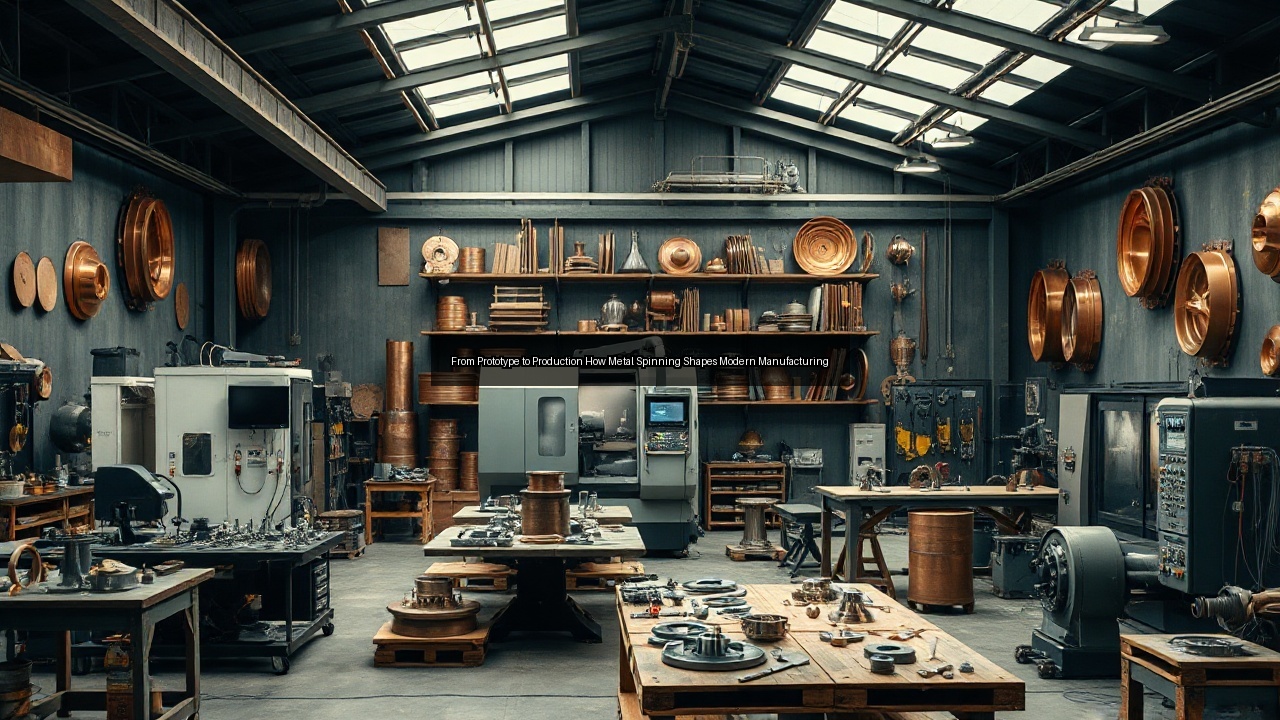
Manufacturers now prioritize processes that reduce waste and energy use while maintaining high output. Metal spinning fits this shift because it shapes metal with minimal scrap compared to traditional cutting methods. Companies that adopt these practices lower their carbon footprint and meet stricter buyer demands for responsible sourcing. This approach also improves long-term profitability by cutting material costs and streamlining production lines.
Eco-friendly metalworking extends beyond the shop floor to supply chains and end-of-life recycling. Metal spinning supports closed-loop systems where offcuts return to suppliers for reuse. Engineers track energy consumption during each spin cycle to identify savings. The result is a manufacturing model that delivers durable components without exhausting resources.
Overview of Metal Spinning and Its Applications
Metal spinning forms sheet metal or tubes into symmetrical shapes by rotating them against a mandrel while applying pressure with tools. This technique produces parts ranging from small lighting reflectors to large toroidal vessels. Precision metal spinning works across diameters from a few inches to several feet, giving designers flexibility without expensive dies. The process handles copper, brass, bronze, and carbon steel with equal control.
Applications span aerospace housings, automotive exhaust components, and industrial gas cylinders. Metal fabrication shops combine spinning with roll forming to create complex profiles in fewer steps. Manufacturers value the method for its speed and repeatability, especially when paired with CNC controls that maintain tight tolerances on every axis.
Key Benefits of Sustainable Practices in Metalworking
Sustainable metal spinning reduces material waste because the process displaces rather than removes metal. This conservation lowers raw material purchases and disposal fees. Shops also report lower tooling wear since spinning tools experience less aggressive contact than stamping or machining cutters. The combination improves uptime and extends equipment life.
Energy efficiency rises when operators optimize spindle speeds and feed rates for each alloy. Bearings and tailstock designs that minimize friction further cut power draw. Companies that document these gains often qualify for environmental certifications that open new contracts in regulated industries. Overall, the practice strengthens both ecological and economic performance.
Materials in Sustainable Metal Spinning
Choosing Eco-Friendly Alloys: Copper, Brass, and Bronze
Copper, brass, and bronze offer excellent formability during spinning while providing natural corrosion resistance that extends product life. These alloys require less protective coating than ferrous metals, reducing chemical use in finishing. Recycled content in these materials often exceeds 50 percent, supporting circular manufacturing goals without compromising strength.
Designers select copper for heat exchangers and electrical components where conductivity matters. Brass delivers an attractive finish for architectural lighting and hardware. Bronze suits marine and artistic applications because of its durability and patina development. Each alloy spins cleanly on standard equipment, helping manufacturers meet sustainability targets while delivering high-performance parts.
The Role of Carbon Steel in Sustainable Fabrication
Carbon steel remains a workhorse material for metal spinning when sourced from mills that use electric arc furnaces powered by renewable energy. Its high strength-to-weight ratio allows thinner gauges that still meet structural requirements, cutting overall material consumption. Shops recycle all generated chips and trimmings directly back into the steelmaking loop.
Proper lubrication during spinning keeps carbon steel surfaces clean and reduces oxidation, which simplifies downstream processing. Manufacturers pair this metal with precision CNC machining for final features, ensuring tight tolerances without excessive scrap. The result is robust components for gas cylinders and pressure vessels that balance performance with environmental responsibility.
Innovative Uses of Sheet Metal in Eco-Friendly Manufacturing
Sheet metal-forming through spinning creates seamless, lightweight structures that replace heavier cast or welded assemblies. This substitution lowers transportation emissions and simplifies assembly. Advanced nesting software maximizes blank utilization before spinning begins, driving material yield above 90 percent in well-run operations.
Manufacturers now explore hybrid blanks that combine recycled aluminum with strategic copper inserts for targeted thermal performance. The spinning process accommodates these mixed metals without delamination when operators control pressure and speed correctly. Such innovations expand design options for sustainable products ranging from industrial tanks to decorative toroidal art pieces.
Techniques and Technologies for Sustainable Metal Spinning
CNC Machining and Its Role in Precision Metal Spinning
CNC machining integrates directly with metal spinning to add precise holes, flanges, and threads after the primary forming pass. This hybrid workflow eliminates secondary setups that consume extra energy and floor space. Modern controllers adjust feed rates in real time based on material feedback, preventing defects that would otherwise lead to rework.
Operators program tool paths that follow the natural flow of the metal, minimizing stress concentrations. The same CNC platform often manages both spinning and finish machining, reducing the number of machines needed per job. This consolidation cuts capital investment and ongoing maintenance while delivering consistent quality across production runs.
The Benefits of Using Roll Forming in Production
Roll forming complements metal spinning by creating linear profiles that spinning alone cannot achieve efficiently. When paired, the two processes produce complex transitions in a single workflow with less material handling. Roll forming also allows pre-stiffening of blanks before spinning, which improves dimensional stability on large-diameter parts.
Energy savings appear because roll forming operates at room temperature and requires no melting or casting steps. Shops schedule these operations sequentially on the same line to avoid reheating metals between stages. The combined approach shortens lead times and supports just-in-time manufacturing for eco-conscious clients.
Integrating Bearings and Tailstock in Eco-Conscious Designs
High-quality bearings in spinning lathes reduce friction losses and extend service intervals, lowering both energy use and replacement part demand. A well-supported tailstock maintains alignment throughout long production runs, preventing scrap from misalignment errors. These mechanical improvements directly support sustainability metrics tracked by certification programs.
Designers now specify sealed bearings that operate with biodegradable lubricants. Tailstock pressure settings are optimized per alloy to avoid over-stressing the workpiece, which preserves material integrity and reduces heat generation. The result is smoother operation, quieter shops, and measurable drops in power consumption during continuous spinning.
Sustainable Metal Spinning in Product Development
Creating Prototypes with Sustainable Methods
Prototype development benefits when metal spinning replaces casting or extensive machining. The process requires only a simple mandrel rather than complex molds, cutting setup time and material waste. Engineers iterate designs quickly by adjusting CNC programs instead of retooling entire fixtures.
Digital simulation predicts metal flow before any physical spinning occurs, further reducing trial runs. Shops document material usage and energy per prototype so clients can compare environmental impact across options. This transparency helps teams select the most responsible path forward while meeting functional requirements.
Design Considerations for Eco-Friendly Spun Metal Products
Effective design for metal spinning starts with uniform wall thickness to minimize thinning and tearing. Smooth radius transitions reduce stress and allow lower forming forces, saving energy. Specifying standard diameters and common alloys lets manufacturers use existing tooling instead of custom setups that generate extra waste.
Designers also plan for end-of-life disassembly by avoiding mixed-material bonds that complicate recycling. Lightweight spun structures that replace Metal Craft Spinning and Stamping metalworking castings or stampings cut transportation emissions throughout the supply chain. These choices compound across thousands of units to deliver meaningful environmental gains.
Case Studies: Gas Cylinders and Lighting Applications
One manufacturer produces seamless gas cylinders entirely through metal spinning of carbon steel blanks. The process eliminates weld seams that require inspection and heat treatment, cutting both energy and inspection time. Recycled steel content exceeds 70 percent, and the finished cylinders meet strict pressure standards with thinner walls than welded alternatives.
Another company spins copper and brass reflectors for commercial lighting fixtures. The seamless spun forms improve light distribution while using 30 percent less material than stamped assemblies. Integrated roll forming adds mounting flanges in the same operation, reducing part count and assembly labor. Both examples show how sustainable spinning improves performance and responsibility simultaneously.
Future Trends in Sustainable Metal Spinning and Manufacturing
Emerging Technologies in Metal Fabrication
Automation and sensor integration now allow real-time monitoring of force, temperature, and vibration during spinning. These data streams feed machine learning models that optimize parameters for each batch of metal, further reducing scrap rates. Additive manufacturing of mandrels enables rapid customization without traditional pattern-making waste.
Hybrid machines that combine spinning, roll forming, and CNC machining in one station are entering production floors. They shrink the physical footprint of fabrication lines and cut material movement between processes. The technology supports smaller batch sizes economically, aligning with demand for customized, low-impact products.
The Impact of Environmental Regulations on Metalworking Practices
Stricter emissions rules push metalworking facilities to adopt spinning over more energy-intensive methods like casting or forging. Facilities that demonstrate lower water and chemical use gain permitting advantages and avoid fines. Compliance documentation increasingly includes energy-per-part metrics that metal spinning naturally improves.
Extended producer responsibility laws encourage designs that facilitate recycling. Spun metal components, free of welds and coatings in many cases, meet these requirements more easily than stamped or cast alternatives. Manufacturers that adapt early secure preferred status with regulators and large buyers alike.
Innovative Companies Leading the Way in Eco-Friendly Metal Spinning
Forward-thinking manufacturers invest in renewable energy for their spinning lines and publish transparent sustainability reports. They collaborate with alloy suppliers to increase recycled content while maintaining formability standards. Several firms now offer closed-loop take-back programs for end-of-life spun products, recovering valuable metals for new production.
These leaders also train operators on efficient machine settings and share best practices across the industry. Their success proves that precision metal spinning, when executed with sustainability in mind, delivers competitive advantages in cost, quality, and market access. The momentum continues to grow as more companies recognize these integrated benefits.
See Also
- From Concept to Creation How Metal Spinning Transforms Prototyping
- Exploring Precision Metal Spinning Techniques for Manufacturing Excellence
- The Role of CNC Technology in Revolutionizing Metal Spinning
- Unveiling the Art of Metal Spinning for Innovative Design Solutions
- Metal Spinning vs Other Fabrication Methods Which is Right for Your Project