Integrating Smart Technology into Ductwork Fabrication
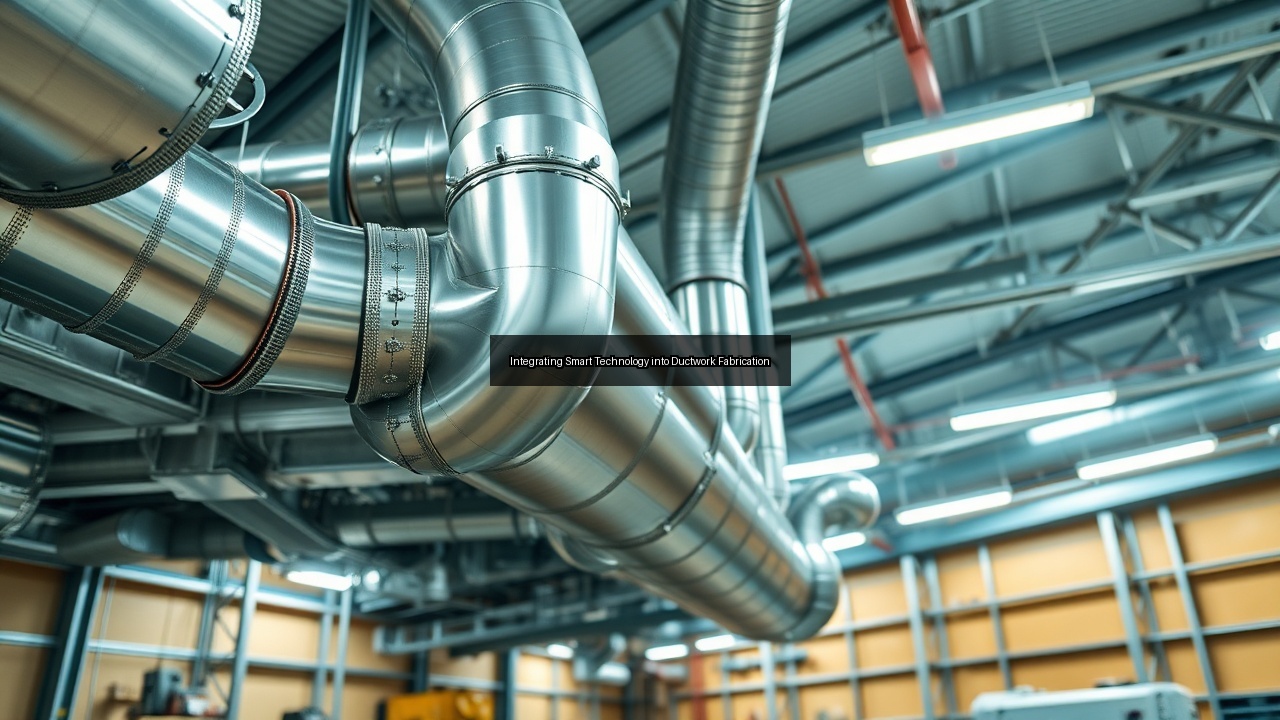
The Role of Smart Technology in Ductwork Fabrication
Understanding Smart Technology in HVAC Systems
Smart technology revolutionizes HVAC systems, transforming traditional ductwork fabrication into a streamlined, efficient process. Smart technology encompasses various tools and applications that enhance the design, installation, and maintenance of duct systems. By integrating sensors, IoT devices, and advanced software, fabricators can monitor and control airflow more effectively than ever before. This integration leads to the creation of intelligent systems that respond to real-time data, optimizing performance and energy use. Understanding this technology is crucial for manufacturers and contractors alike, as it significantly impacts the overall efficiency of HVAC duct systems. Implementing smart technology in ductwork fabrication allows for greater precision, improved comfort levels, and reduced energy costs, aligning with modern demands for sustainability and efficiency.
Benefits of Integrating Smart Technology
Integrating smart technology into ductwork fabrication offers numerous advantages that improve both the production process and the end-user experience. First, it enhances accuracy during the manufacturing stage. Smart calculators help determine the exact length and dimensions required for ducts, minimizing material waste and reducing costs. Additionally, this technology streamlines communication between design and fabrication teams, ensuring that all specifications are met without delays. Another notable benefit is the ability to monitor system performance remotely. Smart sensors can track airflow, temperature, and other critical metrics, allowing for immediate adjustments that maintain optimal conditions. This proactive approach not only enhances comfort but also extends the lifespan of HVAC systems, ultimately benefiting both contractors and building owners.
Impact on Airflow and Efficiency
The integration of smart technology in ductwork fabrication significantly impacts airflow and overall system efficiency. Traditional duct designs often suffer from airflow issues due to improper sizing or inadequate sealing, which can lead to energy loss and discomfort. Smart technology addresses these challenges by enabling precise calculations and optimizing duct layouts. Enhanced airflow design leads to improved temperature regulation across spaces, ensuring that every corner of a building receives adequate heating or cooling. Furthermore, real-time monitoring allows for quick identification of airflow blockages or leaks, which can be resolved before they escalate into costly problems. Overall, smart technology creates more efficient HVAC ducts that deliver consistent airflow, resulting in reduced energy consumption and lower utility bills for consumers.
Innovations in Duct Fabrication Processes
Advanced Manufacturing Techniques
Advanced manufacturing techniques have emerged as pivotal in the evolution of ductwork fabrication. These methods leverage cutting-edge technology, such as laser cutting and robotic assembly, to produce high-quality ducts with unmatched precision. By using automated machinery, manufacturers can achieve consistent results, reducing human error and shortening production timelines. Innovations like 3D printing also play a role, allowing for the rapid prototyping of duct designs and the ability to create complex geometries that were previously challenging to fabricate. Such advancements not only enhance production efficiency but also enable the creation of customized duct systems tailored to specific building requirements. As manufacturers embrace these advanced techniques, the overall quality of HVAC ductwork improves, leading to better performance and reduced installation times.
Utilizing Smart Calculators for Duct Length Measurement
Smart calculators represent a significant leap forward in duct length measurement, streamlining the design and fabrication process. These tools utilize algorithms that consider various factors such as airflow requirements, duct material, and system layout to provide precise dimensions for each duct segment. By eliminating guesswork, smart calculators reduce the risk of fabrication errors, ensuring that each duct fits perfectly into the overall HVAC system. This level of accuracy not only minimizes material waste but also cuts down on labor costs associated with reworking improperly sized ducts. Additionally, these calculators can quickly adapt to changes in design specifications, allowing for flexibility during the fabrication process. Implementing smart calculators into ductwork fabrication services leads to increased efficiency, improved accuracy, and ultimately, a better end product.
Automation in Ductwork Production
Automation plays a crucial role in modern ductwork production, enhancing both efficiency and quality. Automated systems streamline various aspects of the fabrication process, from cutting and bending to assembly and quality control. By utilizing machines programmed to perform these tasks, manufacturers can significantly reduce production times while maintaining high standards. Automation also allows for greater scalability; as demand increases, production can easily ramp up without compromising quality. Furthermore, automated inspection systems can detect defects in real-time, ensuring that only the highest-quality ducts reach the market. This focus on quality control is essential in the HVAC industry, where even minor imperfections can lead to significant performance issues. Embracing automation in duct fabrication not only enhances operational efficiency but also provides customers with durable, reliable duct systems.
Improving Duct Systems with Smart Solutions
Smart Sensors for Monitoring Air Quality
Smart sensors have transformed the way duct systems monitor air quality, providing valuable insights into indoor environments. These sensors track various parameters, including temperature, humidity, and volatile organic compounds (VOCs), delivering real-time data to building managers and HVAC technicians. By continuously monitoring air quality, these devices can identify issues such as poor ventilation or contamination, prompting immediate corrective actions. Integrating smart sensors into ductwork allows for a proactive approach to indoor air quality management, enhancing comfort and safety for occupants. Additionally, by optimizing ventilation based on sensor feedback, HVAC systems can operate more efficiently, reducing energy consumption while maintaining healthy indoor conditions. The application of smart sensors in duct systems represents a significant advancement in creating healthier living and working environments.
Real-Time Data Analytics for HVAC Duct Performance
Real-time data analytics plays an essential role in evaluating HVAC duct performance, allowing for informed decision-making based on current system metrics. By collecting and analyzing data from various components of the duct system, managers can identify trends and potential inefficiencies over time. This data-driven approach enables predictive maintenance, where potential issues can be addressed before they lead to system failures. Real-time analytics also help optimize airflow patterns, ensuring that each part of a building receives adequate heating or cooling. By leveraging this information, HVAC professionals can fine-tune duct systems for maximum efficiency, which translates to lower operating costs and improved comfort for occupants. The integration of real-time data analytics into ductwork systems exemplifies the shift toward smarter, more resilient building management practices.
Customized Ductwork Solutions for Diverse Needs
Customized ductwork solutions cater to the unique requirements of different buildings and applications, showcasing the adaptability of modern fabrication techniques. By utilizing smart technology and advanced manufacturing processes, fabricators can design ducts that fit precisely within specific architectural constraints. Whether it's a residential home, commercial building, or industrial facility, customized solutions ensure that airflow is optimized for each environment. This tailored approach to ductwork fabrication enhances system efficiency and occupant comfort, addressing diverse needs with precision. Moreover, customization allows for the integration of additional features, such as sound attenuation or improved insulation, further enhancing the performance of HVAC systems. The ability to provide bespoke ductwork solutions marks a significant advancement in the duct fabrication industry, meeting the growing demand for flexible and efficient HVAC systems.