How Rotating Electrical Connectors Revolutionize Wireless Technology
The Evolution of Wireless Technology
Historical Context of Wireless Technology
Wireless technology has transformed how we communicate and interact with the world. Early experiments in the late 19th and early 20th centuries, such as Guglielmo Marconi's groundbreaking work, laid the foundation for radio communication. These early wireless systems relied heavily on electrical connectors to establish reliable connections. As technology advanced, innovations in wireless communication evolved from rudimentary radio signals to complex systems utilizing microwave frequencies and satellite communications. The rapid growth of mobile devices and the internet of things (IoT) has further accelerated the demand for effective wireless solutions, necessitating advancements in electrical connectors. This historical context highlights the ongoing quest for efficient designs that support the increasing speed and reliability required in modern wireless applications.
The Role of Electrical Connectors in Wireless Advancements
Electrical connectors serve as the backbone of wireless technology. They facilitate the transfer of signals and power between various components, ensuring seamless communication. Traditional connectors, while effective, often face limitations in terms of flexibility and durability, especially in dynamic environments. This is where rotating electrical connectors shine. These connectors offer a unique solution by allowing for continuous rotation without compromising the electrical connection. This capability plays a crucial role in applications ranging from telecommunications to robotics. The ability to maintain a stable connection while enabling movement has revolutionized how devices communicate wirelessly, paving the way for more sophisticated technologies.
Introduction to Rotating Electrical Connectors
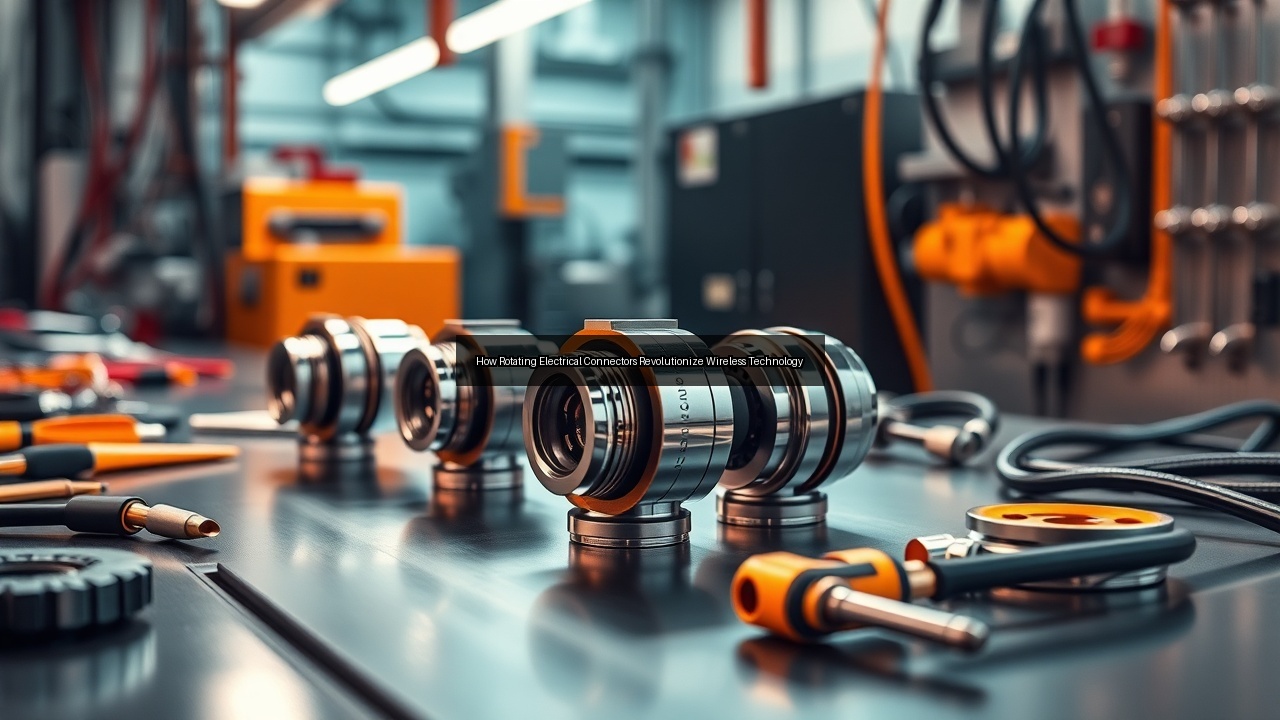
Rotating electrical connectors, often referred to as slip rings, provide a means to transmit power and data while allowing for rotational movement. This innovation addresses many of the challenges faced by traditional connectors, such as wear and tear and limited range of motion. The design of rotating electrical connectors incorporates multiple conductive rings and brushes that maintain contact while rotating, ensuring uninterrupted data and power flow. These connectors are essential in various applications, including wind turbines, robotic arms, and medical devices, where movement and reliability are paramount. As wireless technology continues to evolve, rotating electrical connectors will play an increasingly vital role in enabling advanced functionalities.
Functionality and Design of Rotating Electrical Connectors
Understanding Slip Rings and Their Applications
Slip rings, a type of rotating electrical connector, are designed to transmit electrical signals and power from a stationary source to a rotating component. They consist of conductive rings mounted on a rotating shaft, with brushes that maintain contact as the rings turn. This design allows for continuous electrical connection, making slip rings essential in applications where rotation occurs, such as wind turbines, medical imaging equipment, and robotics. By eliminating the need for complex wiring that can restrict movement, slip rings enhance the flexibility and functionality of devices. The ability to integrate multiple channels for power and data transmission within a single slip ring further boosts efficiency, providing a streamlined solution for modern wireless technologies.
High Voltage Capabilities of Rotating Connectors
Rotating electrical connectors are engineered to handle high voltage applications, making them indispensable in various industrial settings. High voltage connectors must ensure safety and reliability, especially in demanding environments. The design of these connectors often includes advanced insulation materials and robust sealing mechanisms that protect against environmental factors. This capability allows rotating connectors to be utilized in applications ranging from aerospace to heavy machinery, where high power transmission is critical. By maintaining performance under high voltage conditions, these connectors support the growing trend toward more powerful and efficient wireless devices, enabling innovations that rely on increased energy delivery without compromising safety or functionality.
Linear Taper Mechanisms in Rotary Electrical Contacts
Linear taper mechanisms play a significant role in the design of rotary electrical contacts within rotating electrical connectors. These mechanisms allow for smooth transitions in signal strength and power delivery as the connector rotates. Unlike traditional contacts that may suffer from abrupt changes in connectivity, linear taper mechanisms provide a more stable performance, which enhances the overall user experience. This design is particularly beneficial in applications like audio equipment, where precise control over signal output is essential. Furthermore, the integration of linear taper systems in rotary connectors contributes to the reliability and longevity of the devices, reducing the likelihood of wear and improving the consistency of electrical performance. Such advancements underscore the importance of innovative design in the evolution of wireless technology.
Impact on Modern Wireless Applications
Enhancing Speed and Efficiency in Wireless Devices
The integration of rotating electrical connectors significantly enhances the speed and efficiency of modern wireless devices. By allowing for uninterrupted power and data transmission during rotation, these connectors eliminate the need for cumbersome wiring systems that can slow down operations. In devices like drones and robotic arms, where agility and responsiveness are crucial, rotating electrical connectors enable seamless communication between stationary and moving parts. This increased efficiency translates to faster processing speeds, improved performance, and enhanced user experiences. As wireless technology continues to advance, the role of rotating electrical connectors in optimizing device functionality will become increasingly essential, driving innovations across various sectors.
Integrating Adapters with Rotating Connectors
Adapters play a vital role in the functionality of rotating electrical connectors, allowing them to interface with a variety of devices and systems. These adapters facilitate compatibility between different standards and technologies, ensuring that rotating connectors can be used in diverse applications. By simplifying integration, adapters also enhance the versatility of rotating electrical connectors, making them suitable for everything from consumer electronics to industrial machinery. The seamless connection provided by adapters allows for quick and efficient setup, reducing downtime and improving operational efficiency. As wireless technology evolves, the synergy between rotating connectors and adapters will continue to expand, enabling new applications and driving innovation across industries.
Future Trends in Wireless Technology and Rotating Connectors
Future trends in wireless technology point toward increasingly sophisticated applications that require more advanced electrical connections. As industries embrace the Internet of Things (IoT) and smart technologies, the demand for reliable and efficient rotating electrical connectors will surge. Innovations in materials and designs will likely lead to even smaller, more efficient connectors capable of handling higher speeds and power levels. Additionally, the integration of smart technologies within rotating connectors, such as sensors for monitoring performance, could enhance reliability and functionality. As wireless technology continues to evolve, rotating electrical connectors will remain at the forefront, enabling new possibilities in communication, automation, and connectivity.
Challenges and Innovations in the Field
Common Issues with Electrical Connectors
Electrical connectors, including rotating electrical connectors, face several challenges that can impact their performance and reliability. Common issues include wear and tear, signal degradation, and susceptibility to environmental factors such as moisture and dust. Over time, mechanical components within connectors may fail, leading to interruptions in service and increased maintenance costs. Additionally, ensuring consistent performance across a range of temperatures and conditions poses a significant challenge. Addressing these issues requires ongoing innovation in materials and design, as well as rigorous testing and quality control measures to ensure that connectors can withstand the demands of modern applications.
Innovative Solutions for Reliability and Performance
To combat the challenges associated with electrical connectors, manufacturers are developing innovative solutions that enhance reliability and performance. Advanced materials, such as high-grade polymers and metals, improve durability and resistance to environmental factors. Innovations in design, such as improved sealing techniques and enhanced contact surfaces, reduce wear and signal degradation. Additionally, the incorporation of smart technologies, such as self-diagnostic capabilities and real-time performance monitoring, allows for proactive maintenance and improved reliability. These advancements not only extend the lifespan of rotating electrical connectors but also enhance their overall performance, making them suitable for the increasingly demanding requirements of modern wireless technology.
The Future of Rotating Electrical Connectors in Emerging Technologies
The future of rotating electrical connectors looks promising, particularly as emerging technologies continue to reshape various industries. The rise of autonomous vehicles, smart cities, and advanced manufacturing will drive demand for connectors that can handle complex power and data requirements. Rotating electrical connectors will play a crucial role in enabling these technologies, providing the necessary connectivity for robotics, IoT devices, and renewable energy systems. As research and development in this field progresses, we can expect to see more sophisticated designs that address current limitations while enhancing functionality. The evolution of rotating electrical connectors will undoubtedly shape the future landscape of wireless technology, pushing the boundaries of what is possible in connectivity and communication.
See Also
- Exploring the Challenges of Designing Reliable Rotating Electrical Connectors
- How to Maximize Efficiency with Rotating Electrical Connectors in Industrial Settings
- Comparing Linear Taper Connectors and Rotating Electrical Connectors
- The Intersection of Design and Functionality in Rotating Electrical Connectors