Exploring the Connection Between Energy and Plastic Production in Green Bay
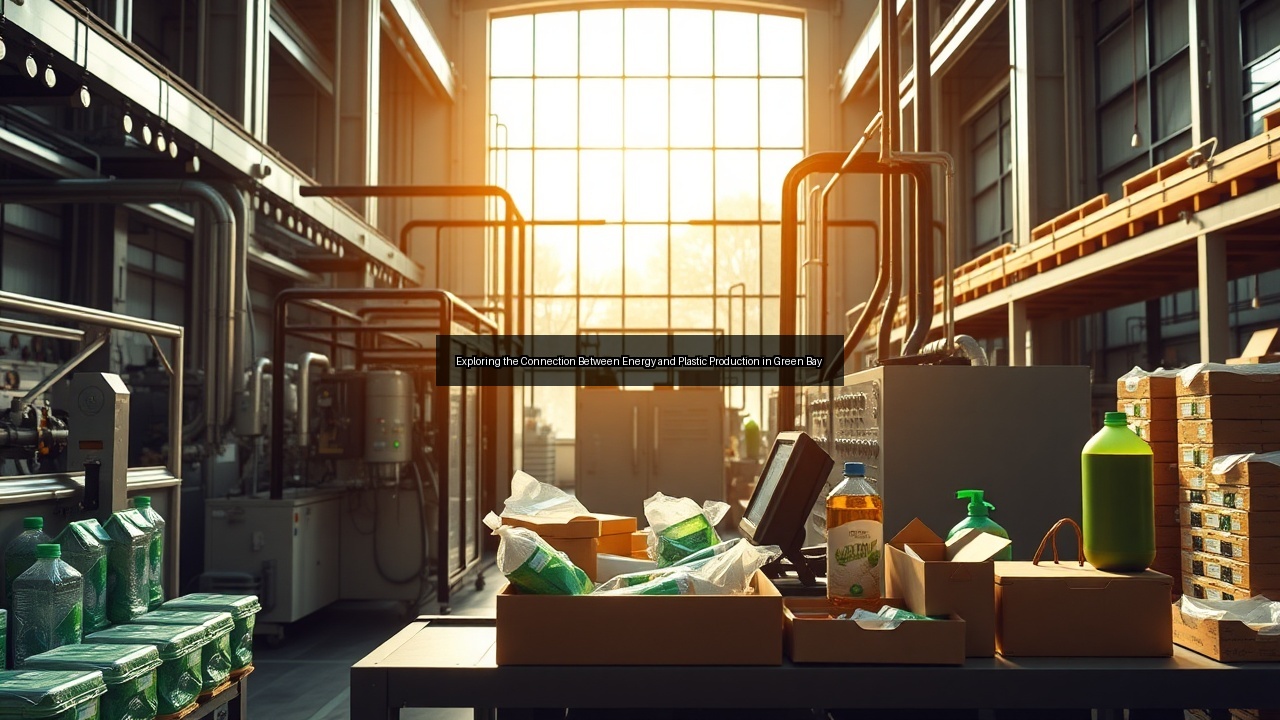
The Role of Energy in Plastic Production in Green Bay
Understanding Energy Sources for Plastic Manufacturing
Energy plays a pivotal role in the production of plastics, especially in Green Bay, where local manufacturers rely on various energy sources to power their operations. These sources primarily include natural gas, electricity, and occasionally renewable energy solutions. Natural gas serves as a significant input, providing the heat necessary for processes like polymerization and molding. Electricity fuels machinery and equipment, driving the efficiency of production lines. Companies in Green Bay are increasingly exploring renewable energy options, such as solar power, to mitigate their carbon footprint and align with sustainability goals. This shift not only addresses environmental concerns but also positions these manufacturers favorably in an increasingly eco-conscious market.
The Energy-Intensive Nature of Plastics Production
Producing plastic is an energy-intensive process, which raises concerns about resource consumption and environmental impact. In Green Bay, manufacturers face the challenge of balancing production demands with energy efficiency. The production of polyethylene, a widely used plastic, requires significant heat and energy input. This energy-intensive nature influences operational costs, which can fluctuate based on energy prices. As companies strive for profitability, they must also consider the long-term sustainability of their energy use. Investments in energy-efficient technologies, such as advanced machinery and better insulation, can lead to reduced energy consumption and lower operational costs, making these investments crucial for the future of Green Bay's plastic manufacturing sector.
Evaluating Energy Efficiency in Green Bay Plastic Companies
Green Bay plastic companies are increasingly prioritizing energy efficiency to enhance their operations. Manufacturers are conducting energy audits to assess their energy consumption patterns and identify areas for improvement. Implementing energy management systems allows these companies to monitor usage in real-time, optimizing production schedules to align with lower energy demand periods. Additionally, many manufacturers are investing in workforce training programs that emphasize energy conservation practices. These strategies not only reduce costs but also contribute to the overall sustainability of the plastic industry in Green Bay. By fostering a culture of energy efficiency, local manufacturers can position themselves as leaders in responsible production, attracting environmentally-conscious clients and consumers.
Plastic Manufacturing Landscape in Green Bay
Key Players: Green Bay Plastic Manufacturers
The landscape of plastic manufacturing in Green Bay is vibrant, with several key players driving innovation and production. Companies like Bemis Manufacturing and Plastics Engineering Company are recognized for their contributions to the industry. These manufacturers specialize in creating a variety of plastic products, from consumer goods to industrial components. Their commitment to quality and efficiency has made them leaders in the region. Collaboration among manufacturers also occurs, with many forming partnerships to share resources and technologies, enhancing the overall capabilities of Green Bay's plastic production. This cooperative spirit not only strengthens individual companies but also boosts the local economy, creating jobs and supporting community development.
Types of Plastics Produced: Focus on Polyethylene
Polyethylene remains one of the most widely produced plastics in Green Bay. Its versatility makes it suitable for various applications, including packaging, containers, and construction materials. Manufacturers in the region utilize advanced techniques to produce different grades of polyethylene, catering to diverse market needs. The demand for polyethylene continues to rise due to its lightweight, durability, and recyclability. Companies are also investing in research and development to enhance the properties of polyethylene, making it more sustainable. This focus on innovation not only meets consumer preferences but also addresses environmental challenges, positioning Green Bay as a hub for advanced plastic manufacturing.
Innovations in Sustainable Packaging Solutions
Innovations in sustainable packaging solutions are gaining traction among Green Bay plastic manufacturers. As consumer awareness regarding environmental responsibility increases, companies are actively developing biodegradable and recyclable packaging materials. These sustainable alternatives reduce waste and minimize the environmental footprint of plastic products. Collaborations with research institutions and technology providers have accelerated the pace of innovation, leading to the creation of materials that maintain the functionality of traditional plastics while offering eco-friendly benefits. Companies are also exploring smart packaging technologies that enhance recyclability, allowing consumers to easily identify and properly dispose of plastic products. This commitment to sustainability not only meets regulatory requirements but also aligns with evolving consumer preferences.
Recycling and Recyclability in Green Bay's Plastic Industry
Current Recycling Practices for Plastic Products
Recycling practices in Green Bay play a crucial role in managing plastic waste and promoting sustainability. Local governments and organizations encourage residents and businesses to recycle plastic products through accessible curbside programs and drop-off centers. Many Green Bay plastic companies are also taking proactive steps to incorporate recycled materials into their manufacturing processes. This practice not only reduces the demand for virgin plastic but also helps mitigate the environmental impact of plastic waste. Effective recycling practices require collaboration among manufacturers, waste management companies, and consumers to close the loop of plastic production and consumption, ultimately fostering a more sustainable community.
Challenges and Opportunities in Recycled Material Utilization
Despite the progress made in recycling, challenges remain in the utilization of recycled materials within Green Bay's plastic industry. Quality control issues often arise, as recycled plastics can vary in composition and performance compared to virgin materials. Manufacturers face the dilemma of balancing cost-effectiveness with the need for high-quality products. green bay plastics However, opportunities exist to enhance the circular economy by investing in advanced recycling technologies. Innovations such as chemical recycling can convert plastic waste back into raw materials, ensuring a consistent supply of high-quality recycled inputs. By overcoming these challenges, Green Bay plastic companies can significantly reduce their reliance on virgin plastics and contribute to a more sustainable future.
The Impact of AI on Recycling Processes
Artificial intelligence (AI) is revolutionizing recycling processes in Green Bay, enhancing efficiency and effectiveness. AI technologies improve sorting and processing by accurately identifying different types of plastics and contaminants, reducing contamination rates in recycled materials. This technological advancement streamlines operations, allowing recycling facilities to process larger volumes of waste while maintaining high-quality standards. Furthermore, AI can predict trends in plastic waste generation, enabling manufacturers to adjust their production strategies accordingly. By integrating AI into recycling processes, Green Bay's plastic industry can enhance its sustainability efforts and better support the local economy.
Risks and Evidence Surrounding Plastic Production in Green Bay
Environmental Risks Associated with Plastic Manufacturing
Plastic manufacturing in Green Bay poses several environmental risks that require careful consideration. The energy-intensive processes involved in production contribute to greenhouse gas emissions, raising concerns about climate change. Additionally, the improper disposal of plastic waste can lead to pollution in local waterways and ecosystems. Manufacturers must adhere to environmental regulations, but a proactive approach that includes sustainable practices can mitigate these risks. Companies that prioritize eco-friendly production methods not only comply with regulations but also build a positive reputation in the community. Addressing environmental risks is essential for the long-term viability of the plastic industry in Green Bay.
Assessing the Economic Impact on the Bay Area
The economic impact of plastic production in the Bay Area is significant, providing jobs and supporting local businesses. Green Bay plastic companies contribute to the regional economy through employment opportunities and by generating tax revenue. However, the industry also faces scrutiny due to environmental concerns, which can influence public perception and regulatory actions. Balancing economic growth with environmental responsibility is crucial for sustaining the industry. Manufacturers that adopt sustainable practices can enhance their economic contributions while fostering community support. This dual approach ensures the continued prosperity of Green Bay's plastic sector and its positive impact on the local economy.
Consumer Awareness and Sustainable Packaging Trends
Consumer awareness regarding plastic production and sustainability has surged in recent years. Green Bay residents increasingly demand eco-friendly products and sustainable packaging solutions. This shift in consumer behavior influences local manufacturers to innovate and adapt their offerings. Companies that prioritize sustainable practices often gain a competitive edge in the market, attracting environmentally-conscious consumers. As a result, many Green Bay plastic companies are re-evaluating their product lines and investing in sustainable packaging options. This trend not only aligns with consumer expectations but also reflects a broader commitment to environmental stewardship within the community. The engagement between manufacturers and consumers fosters a culture of sustainability that can shape the future of the plastic industry in Green Bay.